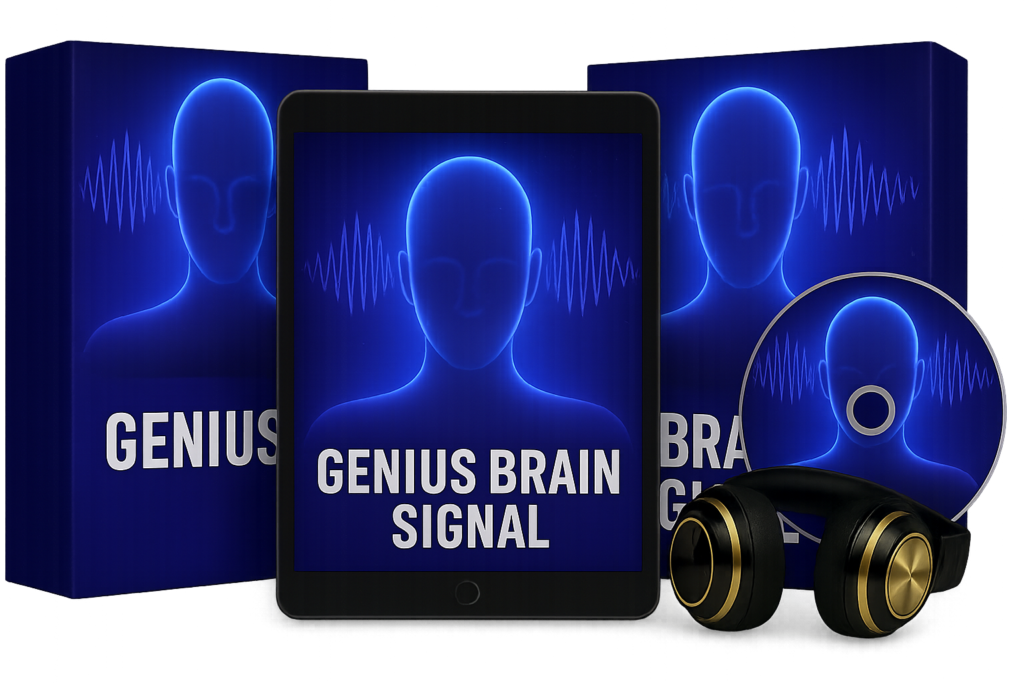
In recent years, sound-based brain training tools have gained attention online. One product that frequently appears in discussions is Genius Brain Signal. Supporters describe it as a short daily audio designed to help users relax, focus better, and think more clearly.
But what exactly is Genius Brain Signal?
How does it claim to work?
And what does real neuroscience say about sound, brainwaves, and mental performance?
This article takes a clear, logical, and evidence-based look at Genius Brain Signal—without hype, without fear tactics, and without fake data.
To know more: CLICK HERE
What Is Genius Brain Signal?
Genius Brain Signal is a digital audio program that users listen to once per day, typically for a few minutes. According to its creators, the audio uses specific sound frequencies intended to support mental clarity, creativity, and calm focus.
It is not a medical treatment, not a supplement, and not a replacement for professional care. It falls into the category of audio-based relaxation and focus tools, similar to guided sound sessions or mindfulness audio.
The program markets itself as simple:
put on headphones, press play, and listen.
The Core Idea Behind Genius Brain Signal
The main concept behind Genius Brain Signal comes from brainwave research.
The human brain produces electrical activity that scientists measure as brainwaves, commonly grouped into ranges such as:
Beta waves – associated with alert thinking, problem-solving, and daily tasks
Alpha waves – linked with relaxed awareness
Theta waves – associated with deep relaxation, daydreaming, and creative states
These categories come from decades of EEG (electroencephalogram) research and are widely documented in neuroscience literature.
National Institute of Neurological Disorders and Stroke (NINDS) – Brain Basics
https://www.ninds.nih.gov
Genius Brain Signal focuses on Theta-associated relaxation, which researchers often study in connection with creativity, memory consolidation, and reduced mental stress.
To know more: CLICK HERE
Do Sound Frequencies Affect the Brain?
This is an important question—and the answer requires nuance.
Research shows that auditory stimulation can influence mental states, especially relaxation and attention. For example:
Music therapy has shown measurable effects on stress and mood
Rhythmic sounds can help some people relax or focus
Binaural beats and rhythmic tones have been studied for their impact on attention and anxiety
However, results vary widely by individual, and no sound guarantees the same outcome for everyone.
Trusted sources:
Harvard Medical School – Music and Health
https://www.health.harvard.eduFrontiers in Human Neuroscience – Auditory stimulation studies
https://www.frontiersin.org
So, while sound can influence how people feel, science does not support the idea that an audio file can instantly “unlock genius” or permanently rewire the brain.
Where Genius Brain Signal Fits Realistically
When viewed responsibly, Genius Brain Signal works best when positioned as:
- a relaxation and focus aid
- a mental reset tool
- a daily calming routine
It does not replace learning, effort, sleep, or healthy habits. But it may support them.
Many users report feeling calmer, more focused, or mentally refreshed after listening. That aligns with what science already knows about relaxation-based audio and attention.
To know more: CLICK HERE
The “Genius” Claim: Let’s Be Honest
The word genius works well in marketing, but intelligence does not switch on like a light bulb.
Psychologists agree that:
Intelligence involves many factors
Creativity depends on environment, learning, and mental flexibility
No audio can instantly raise IQ
That said, clear thinking improves performance. When stress drops, people often solve problems faster. That can feel like becoming “smarter,” even though it’s really reduced mental noise.
In simple terms:
A calmer brain works better.
That part is real.
How Genius Brain Signal Is Typically Used
Most users follow a simple routine:
Sit or lie down comfortably
Use headphones
Listen once daily
Avoid multitasking during playback
This routine alone encourages mental stillness, which many adults rarely experience.
And yes—sometimes the routine matters as much as the sound itself.
Potential Benefits (Without Exaggeration)
Based on known research and realistic user experiences, Genius Brain Signal may help with:
Temporary relaxation
Reduced mental overload
Improved focus during the day
Easier transition into creative or reflective thinking
These benefits align with mindfulness and sound-based relaxation research, not miracle claims.
What Genius Brain Signal Does NOT Do
Let’s be clear for trust and transparency:
- It does not cure medical conditions
- It does not replace therapy or medication
- It does not guarantee financial success
- It does not permanently change brain structure
Any product suggesting instant genius or guaranteed results should raise skepticism. Responsible users treat Genius Brain Signal as a supportive tool, not a solution to everything.
Who May Find It Useful?
Genius Brain Signal may suit people who:
Feel mentally overstimulated
Struggle to slow racing thoughts
Want a simple daily focus ritual
Prefer audio over complex meditation practices
It may not suit people expecting instant transformation or medical outcomes.
The Role of Habit and Consistency
One overlooked factor in mental performance is routine.
Psychology research shows that consistent daily rituals—especially calming ones—help regulate stress and improve attention.
Listening to a short audio daily may work because it creates mental structure, not because it contains secret frequencies.
That distinction matters.
Is Genius Brain Signal Safe?
For most healthy adults, listening to calming audio at reasonable volume is considered safe. Still, people with neurological conditions should consult a healthcare professional before using any brain-focused audio tools.
This follows general medical guidance for sensory-based wellness tools.
Final Verdict: Is Genius Brain Signal Worth Trying?
From an evidence-based standpoint, Genius Brain Signal should be viewed as a relaxation and focus aid, not a scientific breakthrough.
It may help some users feel calmer, more centered, and mentally refreshed. Those outcomes align with established research on sound, attention, and stress reduction.
It should not be treated as magic, medical treatment, or guaranteed success tool.
If approached realistically—with patience and healthy expectations—it may offer value as part of a broader mental wellness routine.
And sometimes, improving clarity starts with simply giving your brain a few quiet minutes each day.
To know more: CLICK HERE

Pingback: The Brain Song Review 2025 Boost Memory & Focus